Showing posts with label Planet of the Grapes. Show all posts

Monday, April 20, 2015

Hawaiian Diet

The Hawaiian Diet
Blog Post #4
April 20, 2015
Brodie Palm
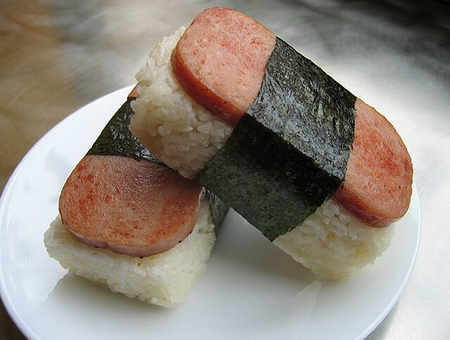
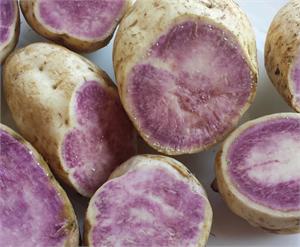
The Traditional Hawaiian Diet, or TDH for short, includes all of the foods that the Ancient Hawaiians and even many Hawaiians today consume on a daily basis. First off, there is a difference between TDH and the food that local Hawaiians eat which includes a large amount of other food cultures from immigrant settlers around the world. What the Ancients used to commonly eat were said to be around two cups of sweet potatoes and cooked greens per day, about a pound of poi (mashed taro root) per day, and also yams. They had an abundance of berries bananas, apples, and coconuts to eat in these times, and fish and other meats were also a key part of there diet. Fish, squid, crab, chicken, and other birds were also heavily integrated in a native's diet,  and most natives included around 12% of protein into their diet. This sounds like a very healthy diet indeed, but even though any local Hawaiian will lose some weight and feel much healthier when eating like an Ancient, not many can stick very close to this way of eating for long. Part of this can be blamed on the price of healthier foods and lack of support when dieting. Healthy foods such as poi and pineapple are very common and relatively cheap, but buying fruits and veggies all the time does take a toll on the bank account. Many Hawaiians have grown accustomed to eating cheap and delicious (but usually unhealthy) meals everyday such as spam, pork, and even fast food. There is also a large Asian population in Hawaii that mix in rice, sushi, noodles, and other asian cuisines into Hawaii's normal local diet. Even McDonald's in Hawaii appeals to the community with Asian actors in commercials and Japanese or Korean foods on the menu, and they even have pineapple and taro pies. Although all of this mixing of cultures creates some interesting outcomes, it is really just the cause of an obesity epidemic; very similar to the obesity situation in the rest of America. Personally, I try to eat on the healthier side of the grocery store, but there's not always money to eat these healthy foods. Whenever I think of the people who are worse off than me and do not even get to eat healthy at all because of money, it makes me wonder why people are even complaining about obesity if nobody is going to change anything. In the Like Water for Chocolate, good food seems to spark emotions like happiness, sadness, disgust, or bitterness in the characters. Food seems to affect the way people feel about each other and sometimes vice versa. 

Spam and Rice Wrapped in Seaweed (Musubi)
https://therefill.files.wordpress.com/2014/02/spam-musubi.jpg
Recipe: http://www.seriouseats.com/recipes/2008/04/tutorial-how-to-make-hawaiian-spam-musubi-sushi.html

McDonald's Sweet Taro Pie
http://www.electricbamboo.com/wp-content/uploads/2013/06/13-0625-mcd-taro-pie.jpg

Traditional Hawaiian Sweet Potatoes
http://www.hawaiiveggiefarm.com/images/Potato%20closeup.jpg
Recipe for modern spin on Hawaiian Sweet Potatoes: http://www.food.com/recipe/hawaiian-sweet-potatoes-269561

Sources Cited
http://brittanytodd.hubpages.com/hub/Hawaiian-Food-Culture-The-Evolution-and-Effects-of-Local-Food
http://www.livestrong.com/article/319754-traditional-hawaiian-diet/


Polish Traditional Foods

Polish Traditional Foods
Blog Post #4
20 April 2015
Isabella Zanzucchi


Traditional Smoked Cheese Oscypek
After WW2 Poland fell under Communist rule which caused majority of the restaurants were forced under state rule. The Communist government opened up chain restaurants and bars but it was never like ma and pa cooking. These restaurants promoted inexpensive foods like soups. Usually for their second course or our "entree" they serve a meat cutlet with potatoes and veggies. With Poland under Communist control, this led to a shortage of meat supplies and other foods too. Many foods like fruit were only available during holidays. Some foods were available at high prices. This caused the foods to be saved until Christmas feast which is where most Polish people serve up to twelve courses. After the leave of Communism, new restaurants opened up and began serving all types of foods again. they do have American food in Poland. The American food too the Polish is considered McDonald's, KFC, and many more. This makes me a little mad because it makes me wonder if all countries think that these fast food restaurants represent our "authentic food". I like that the Polish people prefer to have home cooked food or deli food because it shows how authentic and fresh their food is. During Christmas time Polish people celebrate with a feast called "Wigilia" which is a meatless meal. I found that interesting that they have so many courses even leading into the next day. Another food celebration day is Fat Tuesday which is a Catholic celebration when you eat all the sweets up because they will not be allowed to be eaten until Easter. So I recommend if you are trying to watch your weight do not rely Polish courses to keep you in shape. 
Image result for polish cuisine
Zurek Soup

Traditional Hawaiian Food

Traditional Hawaiian Food
Blog Post #3
April 20, 2015
Brodie Palm
"Halakahiki" means "foreign fruit" in Hawaii. This is the name that Hawaiians gave to pineapples when they were first brought to their land. Since this sweet tasting fruit arrived in Hawaii, pineapples have grown to be one of the most popular foods in the state. Although they are so abundant in Hawaii, the fruit takes forever to harvest, and its originating plant only produces one pineapple at a time. To grow pineapples, the leafy part, along with one to two inches off the top of an eaten pineapple must be planted in the ground. Because the process of creating pineapples makes mass production so elongated, large plantations with multiple fields are needed to supply Hawaii's tropical needs. Although this is a long process, Hawaiians have made it their own and supply one third of the world's pineapples and 60% of all canned pineapple products. Most of these come from the world famous Dole Food Company, as John Dole did establish the first Hawaiian pineapple plantation. Hawaiians have integrated pineapple into their culture very heavily. There is even a whole island of Hawaii that is dedicated mostly to pineapple plantations. They put pineapple on or in whatever they desire including burgers, desserts, tacos, and especially chicken. One other pineapple dish that is particularly desirable is pineapple coconut cake, a nutritious and delicious dessert. It is one of the most popular foods among the Hawaiian diet and is also one of the healthiest. There are many reasons that the pineapple can be called a nutritional food. Pineapples include an abundance of vitamins and are commonly known for reducing risk of many health problems such as diabetes, heart issues, digestive issues, cancer, fertility, and many more. 

http://mauipineappletour.com/images/field.jpg (top)
http://www.dole-plantation.com/assets/slideshows/trip/2.jpg (bottom)

Recipe for Pineapple Coconut Cake: http://www.tasteofhome.com/recipes/pineapple-coconut-cake
Nutritional Facts About Pineapples: http://www.medicalnewstoday.com/articles/276903.php

Sources Cited
http://www.to-hawaii.com/agriculture/pineapple.php


Sunday, April 19, 2015

Fried Goodness


Fried Goodness
Blog Post #3
Joe Hoy
19 April 2015
Meat is the quarter back of the spread offense used in the southern cuisine. The south uses the spread offense because you want to spread your moth as wide as you can in order to fit as much food as possible into one bite. A few examples of meat playing a major role in southern dishes are pork and beans, fried chicken and mashed potatoes, or some good ole’ barbecue. Meat is a major export in several southern states, including Kentucky, Tennessee, Texas, Oklahoma, and Florida. While being abundant in meat, this could be why this delectable food is including in so many traditional dishes. One of the highest meats that are produced in the south is poultry, and the chickens are used in one of the most popular dishes in the south, fried chicken.

This dish is something that southerners live for and is nearly worshiped by the folks who live there. Eating fried chicken is instilled into the young children of the south and continues to be eaten at nearly every social gathering until the homegrown southerner is laid into the ground. My cousins who live on the dirt paths of Georgia have introduced me to many southern dishes, but nothing beats a delcious fried chicken leg and a container of the homemade Hoy sauce. Fried chicken is a traditional southern dish that will live on years to come and may even spread to other parts of the country with time.


Saturday, April 18, 2015

Like Water for Chocolate Feb-June

Like Water for Chocolate Discussion Questions Feb-June
April 18, 2015
1. Even though she protests, Tita ends up accepting the reality Mama Elena has set for her. Her duties and responsibilities are set because of her role as a woman. Find an example of a time when Tita rebelled against traditional gender roles to show her inner strength. [Look towards the end of "February"] What is the significance of this scene? What does it show us about Tita's character? (You may relate this to the idea of independence and revolution)
 -During the wedding, Tita knew what everyone was saying about her, and did her best to act as if nothing was bothering her. She did this to show her inner strength and rebelled a bit in her own way.
-The scenes that Tita recalled when she played hooky with the other boys and the time she pushed some men aside to control a group of horses. This portrays Tita as a strong and ambitious individual, but the sad part is that these are the only two moments in her life where she seems to exhibit those qualities. Tita is to oppressed by Mama Elena to do anything with herself besides cook and care for Mama Elena.

2. Using the relationships you've seen so far (Rosaura & Pedro, Tita & Pedro, Gertrudis & Juan Alejandrez, Tita & John), explore the theme of Love, Desire, and Passion. Which category does each couple fit into? More than one? Now consider John's warning on pg 116 that begins, "You must of course take care to light..." through "leaving the body lifeless...." How does this quote apply to the aforementoined theme?
-Rosaura/Pedro: Love. Pedro and Rosaura do not have much desire or passion in their relationship but they do love each other mostly just because they are married to each other.
-Tita/Pedro: Desire,Passion. These two desire to be with each other greatly, and there is passion between them whenever they are around each other, but their love has faded away.
Gertrudis/Juan: Passion. Juan and Gertrudis do not love each other nor desire to actually be with each other. They only had that moment of physical affection in their relationship, nothing more.
Tita/John: Love. John cares for Tita greatly and does love her, but Tita only likes the comfort John gives her and has not really grown to love him all that much yet.
-The quote applies to the theme in the sense that overwhelming a relationship with a crazy amount of passion can cause your soul to desire what it cannot reach, and the love eventually diminishes.

Wednesday, April 15, 2015

Swedish Food Used in Traditional Cooking


Swedish Food Used in Traditional Cooking
Blog Post #3
15 April 2015
Isabella Zanzucchi

Swedish meat balls are very popular to Swedish people. Usually every mom is Sweden has a their own version of a delicious Swedish recipe. So there is not one set and stone meatball because they are mostly all different. In Southern Sweden people prefer to use ground meat because it has more fast on it. The more north you go, you will find less pork in the meatballs and use bread crumbs as a substitute. Goose is another popular item in Sweden. they even have a holiday specifically for the goose! It is called Martins Day or "Marten Gas". My moms side of the family is known to hunt animals and goose is something that we eat every Christmas time. Goose is very good to eat. During a traditional "goose dinner" they use all parts of the goose in every meal. It is a very filling meal. Prepare yourself this sounds gross...the first meal of the nigh is bowl of "black soup" which is made with goose blood and goose broth. This is boiled with spirits and spices like clove and ginger. The goose itself is stuffed with apples and prunes and is posted slowly while basting in its own fat. The reason why they use goose as his symbol is because he did not want to be ordained. And in the midst of trying to run away he hid in a goose pen in which they preceded to make loud noises and made him get caught. This was pronounced the day for 
the killing of the geese. 

https://sweden.se/collection/celebrating-the-swedish-way/article/st-martins-day-−-or-marten-gas/
https://sweden.se/collection/classic-swedish-food/article/classic-swedish-food-meatballs/


Image result for st martin's day sweden

Like Water for Chocolate Reflection Questions

1. What theme does this passage present? What kind of atmosphere is Esquivel creating by intruding this theme so early on? What does it tell us about the culture of the family as well as the Mexican culture in general?
The passage presents the theme as very traditional and makes it seem that Tita's life is set in stone alone with the rest of the family. The atmosphere from this one is that Mama Elena alone seems to control. Whatever mood Mama Elena is in or everyone around her. She causes people around her to be nervous because she is so intimidating and hostile. The culture of the family seems strictly traditional because of this, so does Mexican culture in general.

2. Review the scene between Pedro ad Tita on pg 38. To what extent does this relate to the theme of independence and rebellion Is pedro really rebelling? How does this Tita rebel? What rebellion is stronger?
Tita wants to be independent, but Mama Elena won't allow it. Because Pedro counts to be with Tita, he gives up some independence to rebel in secret with Tita against Mama Elena. Pedro is rebelling by trying to be with Tita in secret. Tita rebels by trying to be herself it seems, Mama Elena just does not like it. Pedro's rebellion is stronger because he is the one who gives Tita hope for rebellion.

Monday, April 13, 2015

America’s Feast Day

America’s Feast Day
Blog Post #2
Joe Hoy
12 April 2015

                The south is home to many true Americans who love their country, so one tradition in the south is a Fourth of July annual barbecue. There is no better way to say happy birthday to America by throwing massive slabs of ribs, juicy steaks, and pork tenderloins on the grill. After cooking all of these delicious meats, you devour them only to feel it the next morning while sitting on the toilet. That right there is the American dream. To a southerner there is nothing better than eating as much barbecue as your stomach can take, while having a good time with family and friends. Although this is not the only time of year people in south barbecue, it is a great day to have one.


Fourth of July is not the only event where traditional meals are consumed by the southerners; however, another time for a great meal is New Years. Most southerners will not go a year without missing a typical New Year’s meal: some type of pork, black eyed peas (not the band), and southern fried cabbage. Southern tradition says that you should eat 365 peas for good luck every day of the year, which could be pretty tough to do if you’re not a fan of them.

A good recipe for typical southern pork tenderloins: http://allrecipes.com/recipe/southern-pork-tenderloin/


Southern Pride


Southern Pride
Blog Post #1
Joe Hoy
12 April 2015

            The culture that I chose to focus on is the deep south of the greatest country in the world, America. If there is any part of the U.S. that cares about their food, it is without a doubt the southern states. The food, fried and fattening, is my kind of style and that is what really sparked an interest to try to learn more about the different entrees and treats in the south. Although I am not from the south, I do have some knowledge of the types of foods that they consume because a lot of my family is from the south. I have several cousins who live in Georgia, and they will often come to visit Illinois and make some of the best barbecue I have ever eaten in my life. I hope to learn what it is about people from the south and how they learned to make such amazing ribs. I also want to learn if most of the people carry around barbecue and hot sauce like my cousins do. Some popular dishes in the south are beans, fried-chicken, ribs, and pork. Fried chicken became popular in the south because of the Scottish immigrants who pan fried the chicken rather than the traditional way of broiling or baking it.


The south is mainly separated using the Mason Dixon line. States below this line are considered the southern part of the United States, and this is where we can find the southern barbecue. Pork, cattle, and poultry are main exports in the south which could lead to the barbecue style and high use of pork, burgers, and fried-chicken. The south is home to the original barbecue and other great types of meals.


Sunday, April 12, 2015

Hawaiian Food Traditions

Hawaiian Food Traditions
Blog Post #2
April 12, 2015
Brodie Palm
Hawaiians have various traditions when it comes to cooking on holidays. They celebrate many of the same events as most Americans, but have their own state celebration days as well. Some of the more popular Hawaiian celebrations include Prince Kuhio Day and King Kamehameha I Day which are holidays that the whole state participates in. Prince Kuhio Day is on the birthday of Prince Jonah Kuiho Kalanianaole was born, and he is remembered for serving in Congress and helping designate public land for Native Hawaiians. King Kamehameha is remembered for being the one to unite the Hawaiian island and the first to rule them. The food traditions on these days always vary depending on the background or ancestry of the household, but there are a few very common dishes that many Hawaiians love to make. Poi is arguably on of the most popular foods in Hawaii, as it is relatively simple to prepare. It comes from the taro root, which is found on most Polynesian Islands, and is considered to be one of the most healthiest starches in the world. The root is closest to the American equivalent of a potato, and has to be mashed-like mashed potatoes-to make poi. The dish is usually blended with sugar or fruit to sweeten it, since poi starts out sort of bland in flavor, and is served for dessert or breakfast. Typically on a day like Kuhio or Kamehameha Day, Hawaiians sometimes do the Maori poi dance before they eat it. Another popular celebration dish in Hawaii is Kalua Pork. Also known to most Americans as a "pig in the ground," this dish takes time and preparation to make. The meal is created by putting a whole pig on lava rocks in a pit dug into the ground (also called an imu), and is traditionally made for luaus.

Recipe for plain Poi: http://www.polynesia.com/hawaiian-poi.html#.VSsU2Koo7bU

Recipe for Kalua Pork, and how to Pit Cook: http://bbq.about.com/od/barbecuehelp/a/aa061006a.htm


http://www.tarobrand.com/wp-content/Cimy_Header_Images/0/2-poi1.jpg

https://blogger.googleusercontent.com/img/b/R29vZ2xl/AVvXsEjD7YCDbSjKAFpaVe9cgQvAEzGPgGcfpYO3boURGUB4o6kPgKPKUd-MAw1lam-fdl_J8USNqqGu1lkcemQOt2OZhbvIq0a172K6yN5xUcacgXXTrf2H8N5xzClX343UlhzQktCCBL4MUhcH/s1600/photo+4.JPG

Sources Cited
http://www.to-hawaii.com/hawaiian-holidays.php
http://traveltips.usatoday.com/food-traditions-hawaii-20013.html
http://www.to-hawaii.com/food.php


Hawaiian Culture

Hawaiian Culture
Blog Post #1
April 12, 2015
Brodie Palm
Hawaii is a beautiful chain of islands located in the Pacific Ocean known for its landscapes and diverse population. Many changes in government between native and outside rule have made Hawaii so diverse, and this also has resulted in a vibrant culture, not just a pretty vacation spot. Obviously Hawaii has a large variety of food from being influenced by so many different cultures, including the country it is a part of, America. Part of America's input to Hawaii food culture is the famous processed meat in a can. After being introduced to Spam during World War II, Hawaiians started making all sorts of meals with it. Another source of Hawaii's food culture is pork, thanks to the abundance of pigs introduced to the Hawaiians  by foreigners centuries ago. The fact that Hawaii's food culture is so eclectic is why I find it interesting. Hawaii has gained most of its food culture from foreign sources. In fact, when the Polynesians first came to Hawaii, they only found a surplus of fish to eat on the chain of islands. Pineapples and sugarcane were on of the many foods brought from the outside, and those are Hawaii's most important crops today. Even immigrant workers for the American plantation owners on Hawaii brought pieces of their food culture with them. Immigrants from Eastern Asia, Puerto Rico, and Portugal heavily diversified food culture in Hawaii. So many different kinds of cuisine are available in Hawaii because of these outside sources. Although Hawaii is such a small collection of islands, it has one of the most interesting food cultures in the world.


 http://thejointblog.com/wp-content/uploads/2015/03/hawaii2.jpg (left)
http://www.singforyoursupperblog.com/wp271/wp-content/uploads/2011/04/hawaiianpork2.jpg (right)

Sources Cited
http://www.to-hawaii.com/food.php

Friday, April 10, 2015

Celebrations and Feasts of Poland

Celebrations and Feasts of Poland
Blog Post #2
10 April 2015
Isabella Zanzucchi
http://polishpresents.com/
Polish people have very interesting traditions, much different from American. In a traditional Polish wedding the Groom drives the bride to the wedding and on the way to the church the bride and grooms neighbors put rope on the road. "Oczepiny" is the most significant tradition to a Polish wedding. This is when the bide receives her veil. This is only the beginning to the wedding because Polish weddings can last until the morning, this makes sense because the bride and grown do not cut the cake until midnight. When it comes to Christmas time, Polish people must make sure their apartment and or house is sparkling clean. At midnight of Christmas eve it is believed by the poles that the animals have human-like voices. Polish people follow all Catholic holidays including Holy Thursday, Good Friday, and Palm Sunday. Some interesting holidays that Polish people celebrate is Women's day on March 8th, Polish Name Day, and Smingus Dyngus. Some delicious Polish food is Bigos which is like a stew that is packed with meats, sausages, and sliced tomatoes. Another traditional snack is Pierogi which is a dumpling filled with potato and cheese that is covered in butter and then deep fried. Polish people recognize Americans version of Polish sausage but agree that it has become more like fast food Polish food so they prefer to eat traditional Polish food in Poland. The Poles do recommend a deli in New York called Kabanos Polish Deli.

Heres a link to a Beetroot soup recipe: http://polishpresents.com/Polish_Barszcz_Recipe.html
Heres a link to a dill pickle soup recipe: http://polishpresents.com/Polish_Recipes.html

Culture of Poland

Culture of Poland
Blog Post #1
10 April 2015
Isabella Zanzucchi
Poland is known for its delectable cuisine like its rich meats and year-round grown vegetables. They are also admired for their sugar-coated, sweet pastries. Paczki's are some of the most heavenly and tempting desserts I have ever had. I am not Polish nor related to any Polish decedents but, my family and I do try to celebrate every holiday, including Shrove Tuesday, "Fat Tuesday" or "Fat Thursday". They even have a day specifically selected for Paczki's also known as "Paczki Day" which is the last Thursday before Ash Wednesday. Traditionally they chose this food because it includes excessive amounts of ingredients like sugar, eggs, and lard. They chose the most fattening items in a Catholics house because they needed to use up all the fattening items in order to wind down temptations during fasting periods. In the United Sates they are known for big production during Fat Tuesday in which they are sold in bakeries all over the country. My family buys a box of them at our local grocery store. My aunt also makes them during Christmas and Easter time homemade. Paczki's are made from homemade dough that is deep fried sort of like a doughnut. They are then filled with any sort of fresh jelly and sprinkled with powered sugar and or icing. This pastry was popular in Old Poland in the week before Lent. Peasants would gather around the town to drink beer and eat a ton of food. The wealthy would eat meats and other fatty foods.
http://logansquarist.com/wp-content/uploads/2014/03/paczki-6.jpg


Blog Topics

Blog post #1                                  Due on Monday April 13th 
This post should introduce the culture on which you are choosing to focus. Tell why you are interested in this culture and give some background of what you already know and what you hope to find out. Research two or three interesting facts about the food in this culture. Find and include an image or picture of the country or one of the places associated with this type of food. Tell a bit about the geography and history of the place. How might this have shaped the type of food that is featured in this culture? 250 words. Cite sources appropriately.


Blog post #2                                     Due on  Monday April 13th 
Focus this blog on making connections between the life of the people of the culture and their food. What feasts and holidays do they celebrate? You might want to choose a certain feast or special day to focus on i.e., the wedding in Like Water for Chocolate. Many cultures, for example, venerate a saint as a patron or honor another kind of deity or historical figure. You can also choose one particular food or recipe and discuss its central place in the culture. Share pictures, recipes (as links), music, and any rituals associated with the feast. Cite sources appropriately


Blog post #3                                        Due on Monday April 20th 
Talk about the actual food used in traditional cooking. If I were blogging about Okinawa, for example, I would discuss kombu or a sea vegetable that is most prominent in traditional cooking. I might bring up how it is harvested, why it is so healthy, what dishes it is used in, how it might be declining in use with young Okinawans, etc. You can discuss more than one food! Connect the food to the land—is this food a limited resource? Is it sustainably harvested or has it become part of a agri-business? Pictures and links to news stories or video would be appropriate. Don’t forget that tables, charts, graphs, and maps are great ways to present facts and jazz up your post. Cite sources appropriately.

Blog post #4                                          Due on Monday April 20th 
Discuss the overall health implications of the traditional diet or foods of the culture. You can discuss how the people who follow the traditional diet differ from those who eat another way, perhaps a western or American diet. Mention any foods or recipes that are particularly healthy or unhealthy. Recipes would be great to share. Are there updated versions of traditional foods that are more or less healthy? Discuss these. For example, years ago, the nouvelle cuisine movement in France tried to go beyond the traditional heavy cream and butter basics of classic French food to include more broth and seasonal fresh vegetables more simply prepared. Remember to discuss your point of view. Is there a similar shift in the American diet going on? What are you eating? Why? How are food and health, including emotional health, portrayed in the novel? Cite sources appropriately.